

Cryo Facial for Rosacea: How It May Ease Redness and Irritation
Cooling may temporarily ease rosacea-related redness, but it doesn’t treat the condition itself. A cryo facial for rosacea uses controlled cold on the skin, which may briefly constrict blood vessels and reduce flushing. Rosacea is a chronic inflammatory skin condition that can cause facial redness, visible blood vessels, and acne-like bumps.
If your skin is sensitive or prone to flare-ups, it’s understandable to wonder how a cooling treatment might feel and whether it could worsen irritation. A cryo facial for rosacea may temporarily ease visible redness for some people, but results vary and research is still evolving. It should be considered a possible part of care, not a cure.
This guide explains what a cryo facial involves, how cooling may affect redness and irritation, and what to consider before an appointment. It also covers preparation, gentle skincare, and other treatment options to help you decide whether this approach fits your skin and broader rosacea care.
Table of Contents
How cryotherapy may reduce rosacea redness and inflammation
Rosacea can cause facial redness and visible blood vessels, while localized cooling affects only the treated skin. A cryo facial for rosacea may temporarily ease visible redness, but it doesn’t address every underlying cause or symptom.
Potential Effects on Inflammation
Inflammation is the skin’s response to irritation, and rosacea can involve persistent facial inflammation. Local cryotherapy applies cold to a specific area and may temporarily calm that response. It targets only the skin receiving cooling, rather than treating rosacea throughout the body.
Some case studies describe less facial redness and improved skin texture after cryotherapy. These reports are encouraging, but they don’t show that everyone will respond the same way. Evidence is still evolving, and cooling may not address every rosacea symptom. For example, reduced visible redness doesn’t necessarily mean acne-like bumps have resolved.
After cooling ends, the skin warms and blood flow increases. This is part of the body’s response to temperature, not a cure for chronic inflammation. Think of a facial application as a possible short-term comfort measure within broader rosacea care, not a substitute for ongoing treatment.
Vasoconstriction and Facial Redness
Vasoconstriction means blood vessels narrow temporarily. Cold exposure can cause this response and may make facial redness and flushing less noticeable during or after localized treatment. This may matter if visible redness across the cheeks or nose is a concern.
As the skin warms again, blood flow increases. Cooling doesn’t permanently remove visible blood vessels or prevent future flushing. For example, someone whose cheeks redden after a hot drink may still experience that trigger after treatment. The temporary change in vessel width may make the face look calmer without changing rosacea itself.
Some reports describe reduced redness after cryotherapy, but responses depend on factors such as skin type and rosacea severity. Gentle skincare remains important alongside any cooling treatment. Don’t treat a short-lived cosmetic change as proof that inflammation has settled, especially if burning, bumps, or persistent redness continue.
Cold Exposure and Rosacea Flare-Ups
Can cold exposure trigger or worsen rosacea? Yes. Temperature extremes are recognized triggers, and cold can aggravate symptoms for some people. A cooling treatment may temporarily reduce redness, but the cold itself can also provoke flushing or irritation.
The temperature and manner of exposure matter. A localized facial application differs from spending time in very cold outdoor conditions, but both involve a temperature change. Notice how your skin responds to cold air, coming indoors quickly, or other temperature shifts. These observations can help you identify whether cold is a personal trigger.
Keep professional facial treatments distinct from cryosurgery. Cryosurgery is a different procedure that should be performed under healthcare-professional supervision, not at home. If cold has triggered a flare before, tell the professional managing your rosacea before considering treatment. This context can help inform whether cooling fits your care plan.
Lifestyle, skincare, and professional treatment options
Rosacea care often combines trigger awareness, gentle skincare, and professional treatment. The right approach depends on symptoms such as persistent redness, flushing, or acne-like bumps.
Common triggers include sun exposure, extreme temperatures, spicy foods, alcohol, stress, and certain skincare products. Note when flushing follows something specific, such as a spicy meal or cold-weather exposure. Tracking these patterns can guide conversations about care. Daily sunscreen and a gentle, non-irritating moisturizer can also support a consistent skincare routine.
Prescription options address symptoms differently from cooling. Metronidazole, azelaic acid, and doxycycline may be used for flare-ups and skin health; topical ivermectin or brimonidine gels may target specific symptoms. A dermatologist can match options to the type and severity of rosacea. Avoid introducing several new skincare products at once, especially if your skin reacts easily.
Treatment Outcomes and Repeat Sessions
Treatment outcomes describe symptom changes over time, while repeat sessions mean returning for additional applications. Both matter because cryotherapy’s effects can vary with skin type and rosacea severity. Preliminary studies and anecdotal reports describe encouraging results, but cryotherapy may not address underlying causes or every lesion. Track changes in redness, flushing, and bumps between sessions to discuss the overall pattern with your care team.
CryoFacials for Rosacea and Active Acne
A Cryo Facial applies localized cooling to facial skin and may be considered for rosacea or active acne. Reduced redness doesn’t necessarily mean acne-like bumps have cleared. Cooling may form one part of a broader plan, while gentle cleansing and a non-irritating moisturizer support daily care. Ask how the application fits alongside prescribed medication, rather than treating it as a replacement.
Comparing Professional Treatment Options
A cryo facial uses cooling, while laser therapy and prescription medication take different approaches. Laser treatment may be considered for more severe rosacea, and medication can target particular symptoms. Cryotherapy may offer temporary relief, but it doesn’t necessarily address underlying causes. Treatment choices depend on rosacea type and severity, not redness alone.
Before an appointment, hydrate well and cleanse your face with a gentle cleanser to remove makeup, oils, and lotions. Avoid aggressive exfoliation, which can irritate sensitive skin. If you’re trying a new skincare product, patch test it before wider use, especially if you have sensitive skin or allergies. To explore a guided skincare appointment, consider how cooling fits your current routine and treatment plan.
Relief from irritated skin, burning, and itching
Burning, itching, and sensitivity can make rosacea care uncomfortable, especially when the skin barrier feels easily disturbed. Cooling and gentle facial care address different parts of that experience.
Hydration and Skin-Barrier Support
The skin barrier helps limit moisture loss and protect the complexion from irritants. A gentle, non-irritating moisturizer can support comfort when rosacea comes with dryness, while daily sunscreen helps limit exposure to a common trigger. These steps don’t replace rosacea treatment, but they can make a skincare routine less likely to add avoidable irritation.
After a facial, keep care simple: cleanse gently, moisturize, and avoid introducing several unfamiliar products at once. For example, a fragranced lotion that stings may not suit irritated skin. Patch test new products before using them more widely, particularly if you have sensitive skin or allergies.
Cellular Regeneration and Skin Healing
Cellular regeneration describes the renewal and repair processes that help maintain skin. A calmer-looking complexion doesn’t necessarily mean the underlying skin condition has healed. Cooling can temporarily constrict blood vessels, but that visible change alone doesn’t demonstrate tissue repair or lasting relief from burning and itching.
Red light therapy uses specific wavelengths intended to penetrate skin, reduce inflammation, and promote healing. This differs from cryotherapy, which uses cold. Neither approach proves complete rosacea recovery. If irritation persists or worsens, ongoing symptoms deserve attention as part of a broader care plan, rather than repeated cosmetic treatments alone.
Skin Types That May Benefit
No skin type is certain to benefit from cooling. Responses vary with skin type and rosacea severity, so someone with mild flushing may respond differently from someone with persistent irritation or bumps. A short-lived improvement in redness doesn’t predict how burning or itching will respond.
Cold sensitivity also matters. People with cold urticaria should avoid cryotherapy because cold exposure can worsen itching, swelling, and hives. If you have developed hives after exposure to cold air or objects, tell a healthcare professional before considering a cooling facial. Discussing your symptoms can help clarify the risks of cold exposure.
Gentle exfoliation needs particular care with rosacea. Scrubs, rough cloths, and strong exfoliating products can add friction to an already irritated complexion. If exfoliation is part of your routine, pause aggressive methods when burning or itching is active and favor gentle cleansing instead. For example, wash with your fingertips rather than rubbing with a textured pad.
Track symptoms around skincare changes: note whether a cleanser, moisturizer, or temperature exposure precedes stinging. These observations can help identify patterns and clarify whether a treatment supports comfort or adds irritation. Seek medical guidance for persistent or worsening symptoms rather than assuming a cosmetic facial will resolve them.
What is a Cryo Facial?
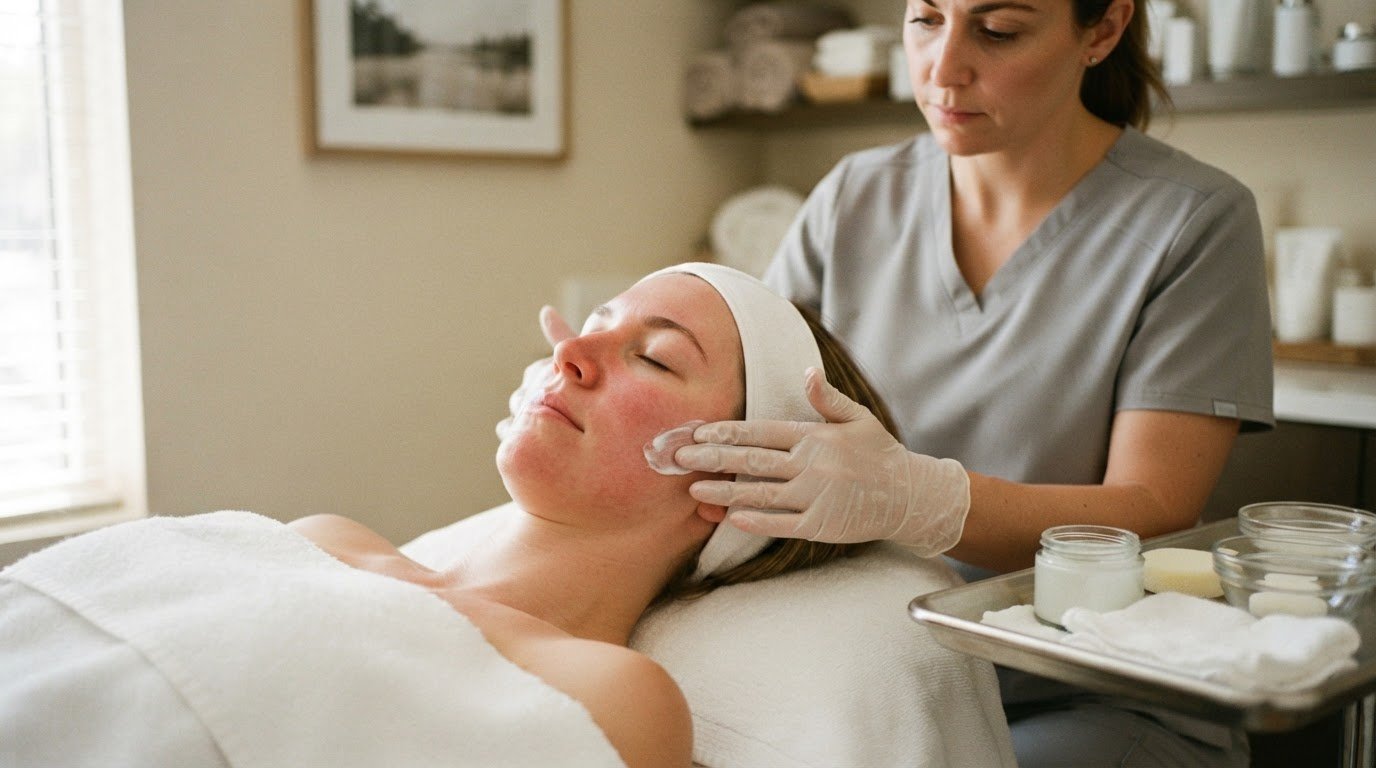
A cryo facial uses controlled cooling on facial skin, rather than exposing the whole body to extreme cold. The application and device matter: a cooling facial is not the same procedure as cryosurgery.
How the Cooling Works
During a cryo facial, a cooling device is applied to the skin. Some tools also massage the face, reduce puffiness, and promote circulation. Cold may temporarily tighten skin and lessen the appearance of pores, but these cosmetic effects are temporary. A cooling mask containing menthol, peppermint, or eucalyptus may feel refreshing, but it isn’t an actual cryotherapy treatment.
There isn’t one universal facial temperature to apply to every person. The device and treatment approach determine how cooling is delivered. Cryosurgery is a separate procedure, not an interchangeable facial option. It uses temperatures ranging from -40° to -60°C, so those figures shouldn’t be taken as a standard cryo facial temperature.
Session Length and Expected Effects
A CryoFacial session for rosacea usually lasts 30 to 60 minutes. Sessions are generally quick and well-tolerated, but the immediate experience doesn’t predict lasting results. Cooling may temporarily reduce puffiness or redness; it doesn’t establish that rosacea has resolved or prevent future symptoms.
How many sessions should you expect? There’s no single recommended number for everyone. A plan depends on the treatment goal, skin response, and rosacea symptoms. Some care plans include repeat sessions, while others focus on a single visit alongside ongoing skincare. Track changes in redness, flushing, irritation, and texture, rather than relying on a brief sensation of coolness.
Cost and Treatment Context
In the United States, pricing depends on the treatment and is provided after a quote request. Factors include session length, treatment scope, and location.
For rosacea, facial cooling should be understood as a possible cosmetic complement, not a replacement for medical care. Prescription medication, laser therapy, and lifestyle changes serve different roles. For example, persistent acne-like bumps may need a different approach from temporary puffiness. A dermatologist can assess your symptoms and place cosmetic options in context.
Before choosing a session, ask what the application involves, which areas it treats, and what aftercare is recommended. Share relevant skin sensitivities and past reactions to cold. This conversation can align the treatment with your comfort and skin goals, without confusing a short-term cosmetic effect with long-term rosacea management.
Preparation before a cryo facial
Preparation helps align a cooling appointment with your skin’s current needs. For rosacea, start with a clear account of your symptoms, sensitivities, and recent skincare changes.
Share Skin and Health Details
Before treatment, describe your usual symptoms, such as flushing, burning, or visible blood vessels, and note what tends to trigger them. Mention any past reaction to cold, including hives or swelling after exposure to cold air or objects. People with cold urticaria should avoid cryotherapy because cold exposure can worsen itching, swelling, and hives.
Also disclose relevant health conditions and current skin concerns. Avoid cryotherapy over open wounds or skin infections, and note that poor circulation may raise concerns because cold further constricts blood vessels. Peripheral neuropathy or other nerve damage can reduce sensation, making cold-related injury harder to detect. People who are pregnant or have heart conditions should consult a healthcare provider before cryotherapy.
Cryoglobulinemia is another important example: cold exposure can trigger symptoms, so people with this condition should avoid cryotherapy. These considerations help distinguish a cosmetic facial from care that may be unsuitable. A cryo facial isn’t an invasive rosacea treatment, but cold exposure still deserves careful consideration.
Keep Pre-Appointment Skincare Gentle
On appointment day, wash your face with a gentle cleanser to remove makeup, oils, and lotions. Avoid aggressive exfoliation beforehand; rough scrubs or strong exfoliating products can irritate sensitive skin. If you’ve introduced a new cleanser or moisturizer, patch test it before using it across your face, particularly if you have allergies.
Hydrate well before the session, and arrive with clean skin. Share recent skincare changes, such as starting an exfoliant that caused stinging. This gives the professional useful context about your skin’s appearance and comfort before cooling begins.
Plan for Aftercare
Ask about post-treatment care before the application, so you can prepare gentle moisturizer and sunscreen. After a Cryo T-Shock CryoFacial, avoid direct sunlight and use sunscreen. Following cryosurgery, avoid sun exposure and apply sunscreen daily. Cryosurgery differs from a cosmetic facial, so its aftercare instructions shouldn’t automatically be applied to every cooling treatment.
Keep the rest of your routine simple after the appointment. For example, avoid adding a new exfoliant that day and note any changes in redness, irritation, or comfort. These observations can help you describe side effects and decide which skincare supports your complexion.
Contour Body Imaging: Cryo Facial
Contour Body Imaging offers Cryo Facial treatments for people considering a cooling facial as part of their skincare routine. If you’re exploring this option for rosacea-related redness or irritation, a professional facial application may complement your broader care plan.
Share your skin sensitivities, current symptoms, and any reactions to cold before treatment. This context keeps the conversation focused on comfort and suitability. For a different facial-care approach, Contour Body Imaging also offers Repêchage® Facials.
For a personal conversation about your next step, contact Contour Body Imaging.
Choose Your Next Skincare Step With Confidence
Think of a cryo facial for rosacea as one possible part of a personal skincare plan, not a test you need to pass or a promise of perfect skin. Before deciding, identify what you most want to address, such as discomfort during a flare or the appearance of persistent redness. Then consider how a cosmetic treatment would fit alongside the care you already use.
Individual responses to cooling vary, so let your symptoms, sensitivities, and comfort with cold guide your decision. Contour Body Imaging offers Cryo Facial, Cryo T-Shock Body Contouring, and Endospheres Therapy®. For facial care, focus on your skin goals and whether a cooling facial feels appropriate for your routine.
A thoughtful next step is simple: share what your skin needs, ask about the treatment experience, and choose a path that feels comfortable for you.
Frequently Asked Questions
What is Rosacea?
Rosacea is a chronic inflammatory skin condition that mainly affects the face. It can involve persistent redness, visible blood vessels, flushing, and acne-like bumps. Symptoms may look different from one person to another, and redness alone doesn’t describe every feature. For example, someone may notice flushing without bumps, while another person may experience bumps alongside facial redness. Recognizing the pattern helps make discussions about care more specific.
What is cryotherapy skincare?
Cryotherapy skincare uses cold as part of a cosmetic skin treatment. In a facial application, a device cools the face; this differs from a mask that feels cool because it contains ingredients such as menthol or peppermint. It also differs from whole-body cryotherapy, which exposes the body more broadly. The term covers different approaches, so the treatment method matters when deciding what an appointment involves.
What is a cryo facial, and how does it work?
A cryo facial applies controlled cooling to facial skin, often with a device that moves over the treatment area. Some tools also massage the skin, which can help reduce puffiness and promote circulation. Cold may temporarily tighten skin or reduce the appearance of pores. These cosmetic effects don’t make a facial equivalent to cryosurgery, a distinct medical procedure. Ask what type of cooling device and application the session uses.
Can a cryo facial help rosacea redness or symptoms?
A cryo facial for rosacea may temporarily lessen visible redness or flushing by narrowing blood vessels during cooling. That effect doesn’t mean the condition has resolved, and it may not address symptoms such as acne-like bumps. A calmer appearance after treatment doesn’t necessarily mean a flare’s underlying causes have changed. Consider cooling as a possible addition to broader care, not a replacement for prescribed treatment or trigger management.
What evidence supports cryotherapy for rosacea?
Evidence is preliminary: some case studies describe reduced facial redness and improved skin texture after cryotherapy, while broader research continues to evolve. These reports may explain why people consider cooling, but they don’t establish a predictable outcome for every patient. Skin type, rosacea severity, and the symptom being treated can all affect response. A dermatologist can help assess whether the available evidence is relevant to your symptoms and care plan.
What are the risks and side effects of cryo facials for rosacea-prone skin?
Cold can irritate some rosacea-prone skin or trigger flushing, so pay attention to how your face reacts during and after treatment. People with cold urticaria may experience worse itching, swelling, or hives after cold exposure. A history of cold-related symptoms matters, even if an earlier reaction seemed mild. Tell the professional about past irritation, hives, or swelling before treatment, and stop the application if you experience concerning discomfort.
Who should avoid a cryo facial, including people with cold sensitivity or circulation disorders?
People with cryoglobulinemia or cold urticaria should avoid cryotherapy. Open wounds or skin infections are also reasons to avoid cold treatment, and poor circulation can raise concerns because cold further constricts blood vessels. Peripheral neuropathy or other nerve damage may make a cold injury harder to sense. People who are pregnant or have heart conditions should consult a healthcare provider before undergoing cryotherapy.
What should you expect during and after a cryo facial?
Expect a professional to apply a cooling device to your face, rather than expose your whole body to cold. Follow the specific aftercare provided for the treatment. Gentle moisturizer and daily sunscreen can support a simple routine, and direct sunlight should be avoided after a Cryo T-Shock Cryo Facial. If you’re considering a facial in The Woodlands or Dallas, Texas, share your symptoms and cold sensitivities before your appointment.
Comments