

Endosphere Therapy in Plano, TX: Sessions and Results
A treatment series isn’t one-size-fits-all. Endosphere therapy in The Woodlands and Dallas, Texas, uses a rolling device fitted with 55 silicone spheres, but that number doesn’t determine how many sessions you’ll need. The series is shaped by your goals and the areas you want to address.
It makes sense to want a clear plan, especially if you hope to improve the appearance of cellulite, support circulation, refine skin tone, or enhance body contours. The right approach should also feel comfortable and realistic for you. This article explains how Endosphere therapy is planned, what a session involves, and why results can vary. You’ll also learn how Endosphere’s role in skin toning and body contouring relates to circulation and lymphatic health, so you can set practical expectations.
Table of Contents
Cumulative results and treatment series
A treatment series is planned around the change you want to see, not a preset session count. The rolling device uses 55 silicone spheres, but that detail doesn’t determine how many visits suit your goals. A practitioner considers the target area, the appearance you want to address, and how your skin responds as sessions progress. For one person, the priority may be the look of cellulite on the thighs; for another, it may be skin tone around the abdomen.
Body-treatment goals often include smoother-looking skin, less visible cellulite, improved circulation, and more defined contours. These are appearance goals, not guaranteed changes in body size or weight. A treatment plan should connect each visit to a specific goal. For example, a plan focused on thigh texture differs from one focused on abdominal contours. Defining that difference creates a useful starting point and makes progress easier to assess.
Use a consistent comparison method rather than relying on memory. At your first visit, identify the area and visible feature you want to track. At later visits, compare the same area under similar conditions. Lighting, posture, and clothing can affect how skin texture looks, so keep these factors as consistent as possible. This gives you and your practitioner a clearer basis for discussing progress.
Assess facial goals just as carefully. A facial treatment may aim to support a refreshed appearance or more even-looking skin tone. These descriptions refer to visible appearance, not a promised medical or structural change. Before a facial series, clarify which feature matters most, such as overall tone or the appearance of facial skin. Tracking one clear goal is more useful than expecting every feature to change at once.
There is no universal session count for every person. Planning depends on the treatment area, the visible change you want, and how you respond over time. Review the plan as it progresses instead of treating a fixed number of sessions as a guarantee of results. If your goal changes, you can revisit the treatment focus.
For a practical treatment plan, keep these steps in view:
Define one main goal. Choose a visible concern, such as thigh texture or facial tone.
Set a baseline. Record the area and its appearance before the first session.
Review consistently. Compare the same area over time, under similar conditions.
Reassess the focus. Use observed changes to guide the next treatment decision.
This approach keeps expectations specific and makes progress easier to discuss. It also distinguishes a treatment’s intended goals from outcomes you can personally observe. Whether you’re considering body contouring or facial treatment, let the target area and your response guide the plan rather than assuming more sessions automatically mean better results.
Treatment comfort and downtime
Comfort starts with a clear conversation about the treatment area and your preferences. Endosphere uses a rolling device fitted with 55 silicone spheres. The practitioner applies it to the selected area, so tell them which areas you want addressed and what pressure feels manageable. You can speak up during the session if the sensation feels uncomfortable. That feedback helps guide the treatment experience in real time.
“Endermologie” and “Endermolift” are names associated with body and facial treatments, respectively. They are not alternate names for Endosphere. When comparing descriptions, focus on the specific method being discussed. For example, descriptions of Endermologie for the body or Endermolift for the face do not mean Endosphere uses the same equipment or steps. Ask for a plain-language explanation of the treatment you’re considering.
There is no session duration or standard downtime figure available here, so avoid planning around an assumed appointment length or recovery window. Before scheduling work, travel, or an event, ask how the planned treatment may affect your immediate routine. For example, if you have a meeting afterward, raise that timing during the treatment discussion. A specific answer should reflect the area treated and the approach planned for your visit.
Start by matching the treatment to your goal. Be ready to name the area you want treated and the change you hope to see, such as improving the appearance of cellulite on your thighs. Share relevant health information and any current concerns with your practitioner. This helps frame a useful discussion about whether the planned treatment suits your needs. A general description of Endosphere is not a personal assessment.
A useful treatment process follows a few clear steps:
Describe your goal. Identify the body area or facial concern you want to discuss.
Review the approach. Have the practitioner explain how the rolling device will be used for that area.
Discuss comfort. Agree on how you’ll communicate if pressure or sensation needs adjustment.
Plan your schedule. Ask about the expected appointment and immediate routine before setting other commitments.
Making comfort part of the plan helps you know what to expect. For Endosphere therapy in the Woodlands and Dallas areas, discuss your goals, treatment area, and schedule with Contour Body Imaging before starting.
Blush 'N Beauty Medspa advises clients to drink plenty of water to support lymphatic drainage after treatment. You can include that recommendation in your aftercare discussion, alongside any instructions the practitioner gives for your specific visit. If you are unsure what “plenty” means for you, ask the practice for guidance rather than assuming a set amount. Keep the focus on advice that applies to the treatment you receive, and raise any questions about comfort or your immediate routine before leaving. This gives you a practical point to clarify without treating general guidance as a promise about results or recovery.
Cellulite appearance reduction
Endospheres Therapy® is used for body contouring, cellulite reduction, circulation, lymphatic health, muscle recovery, and skin quality. These are treatment goals, not guaranteed changes in weight, body size, or fat. Cellulite can look different depending on the area and viewing conditions. For example, dimpling may be more noticeable while standing than while seated. Start by identifying the specific texture concern and where it appears.
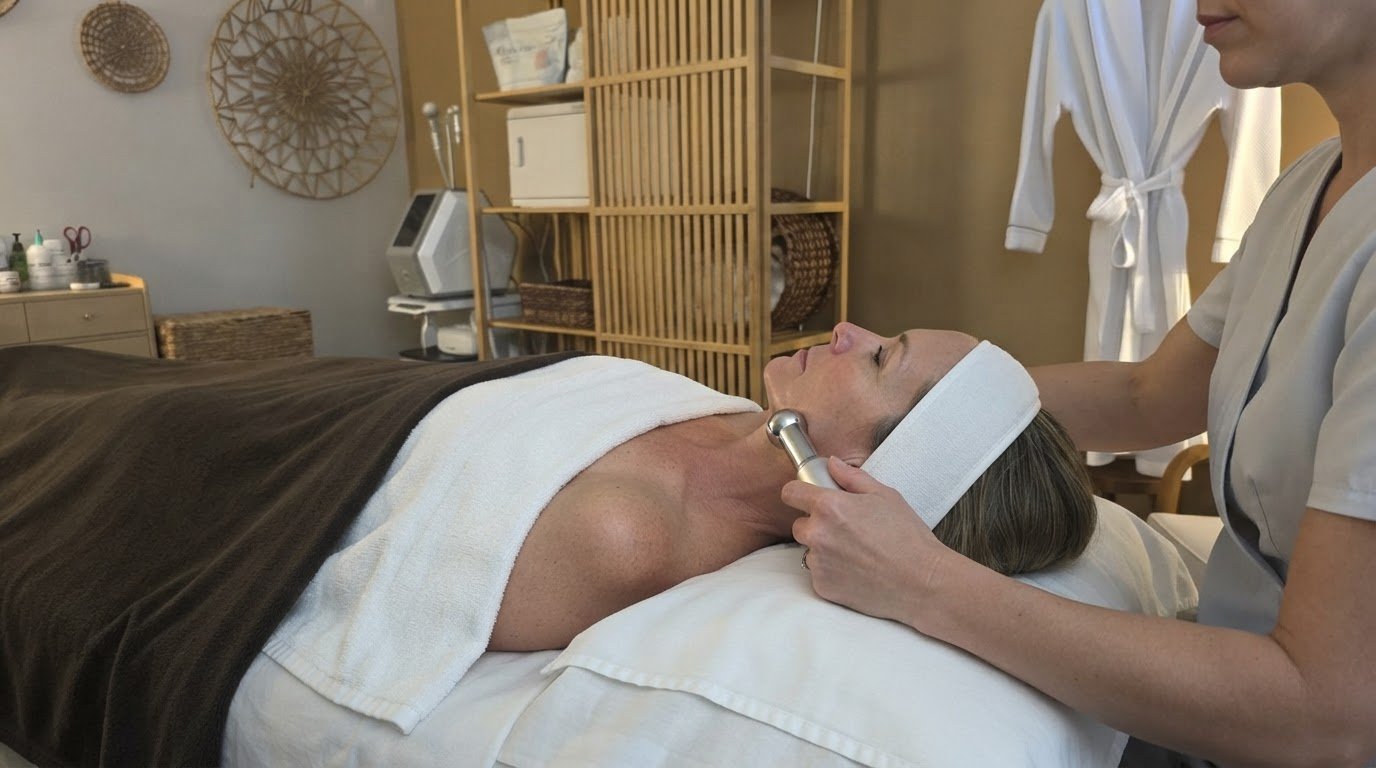
The Endospheres device delivers rhythmic micro-vibrations that feel like a massage across the selected area. Its cosmetic focus includes body contouring, cellulite reduction, and skin quality. This does not guarantee a particular result for every person or mean cellulite will be removed permanently. Keep the distinction clear between a treatment goal and an outcome you can observe.
A focused assessment makes progress easier to discuss. Your practitioner can note the treatment area, pattern of dimpling, and skin appearance before the series. For example, they might distinguish an uneven-looking patch from a broader concern about skin texture. At a later review, comparing the same area in a similar posture and lighting provides a more consistent basis for discussion than memory alone.
Several visual details can affect comparisons. Lighting can emphasize shadows, while posture can stretch or compress the skin. Clothing may also cover the area being assessed. For a consistent review, look at the same skin region while standing similarly and under comparable lighting. This helps distinguish a visible change from differences in how the area is presented.
Keep cellulite reduction separate from body contouring. A smoother-looking surface and a change in overall body outline are different goals. Someone concerned about dimpling on the backs of the legs, for instance, may prioritize skin texture rather than a smaller measurement. Naming the priority keeps treatment discussions specific and prevents unrelated outcomes from becoming the measure of success.
Before starting, clarify what “improvement” means for you. It might mean that dimpling looks less noticeable in a familiar outfit or that the skin appears more even under consistent lighting. These are personal appearance goals, not promised results. Your practitioner can explain how the treatment relates to your chosen area and discuss visible changes as the plan progresses.
Identify the concern: Name the area and the texture feature you want to address.
Use a consistent comparison: Review the same area under similar conditions.
Keep goals distinct: Treat skin texture and body contour as separate measures.
Clear expectations make cellulite-related results easier to assess. Focus on the appearance you want to address, the selected area, and changes visible under comparable conditions. This supports a grounded conversation about progress without assuming every session will produce the same effect.
Lymphatic drainage and circulation
Lymphatic drainage and blood circulation are related but distinct processes. Circulation refers to blood moving through the body, while the lymphatic system carries lymph through its own network. Endospheres Therapy® is used to support circulation and lymphatic health, but those goals are not proof of a medical effect.
The treatment uses a rolling device fitted with 55 silicone spheres. As it moves across a selected area, the device applies a repeated mechanical action to the skin and underlying tissue. That explains the treatment approach, not a guaranteed change in circulation or fluid movement. The area selected and the pressure applied are practical details to discuss before the session begins.
For example, someone may choose treatment for the thighs to address skin texture and a feeling of heaviness. Those concerns are not interchangeable. A cosmetic goal, such as improving an area’s appearance, differs from seeking care for persistent swelling or a circulation problem. Endospheres Therapy® is an aesthetic treatment, not a substitute for medical evaluation.
It also helps to separate immediate sensations from lasting outcomes. Feeling warmth, movement, or temporary lightness after a session doesn’t establish that lymphatic function has changed. A practitioner can explain what the treatment is intended to address and what can be observed visually. If your main concern is persistent swelling, pain, or another new symptom, discuss it with a qualified healthcare professional before treating it as a cosmetic issue.
Hydration is sometimes discussed alongside lymphatic health. Rather than assuming a specific amount of water is required, follow any personalized guidance you receive. Needs can vary with health circumstances and daily routines. A useful treatment discussion distinguishes general wellness habits from instructions specific to your situation.
To keep your goal clear, consider these distinctions:
Appearance goal: You want skin on an area, such as the thighs, to look smoother.
Circulation concern: You’re seeking help for a symptom, not only a cosmetic change.
Drainage expectation: You want to understand what the treatment claims and what it can actually demonstrate.
Before a session, identify the area and explain your priority in plain terms. For example, say whether your focus is visible skin texture, circulation, or both. This keeps the treatment discussion specific and gives you a clearer basis for assessing progress, without treating a cosmetic session as a medical diagnosis or assuming that fluid movement has changed.
In short, Endospheres Therapy® is used for body contouring, cellulite reduction, circulation, and lymphatic health, but these aims do not guarantee a physiological result. Keep cosmetic expectations distinct from medical concerns, and clarify which goal is appropriate for the selected area.
Skin toning and body contouring
Skin tone and body contour describe different appearance goals. Skin tone concerns how even or firm an area looks, while contour concerns the body’s visible shape. For example, someone may want smoother-looking skin on the thighs without changing their waistline. Naming your priority keeps treatment discussions focused on the result that matters most.
Endospheres Therapy® is used for skin quality and body contouring, but those goals are not interchangeable. The treatment may be considered for the appearance of a selected area. That does not establish a specific change in measurements, fat, or weight. If your goal is a more defined outline, describe the area and visible change you have in mind, such as a smoother transition around the hips.
Skin appearance also depends on how you assess it. Lighting can make texture look more or less pronounced, and posture changes the way an area sits. To discuss progress meaningfully, compare the same area under similar conditions. A practitioner can focus on whether the visible feature you identified has changed, rather than relying on a different clothing size or a general impression.
Be equally precise about body-contouring expectations. Someone concerned about the abdomen may want a smoother silhouette in fitted clothing, while someone else may focus on the outer thighs. These are distinct areas and visual goals. State which matters most before planning treatment. This avoids judging skin tone by contour changes, or contour by skin texture alone.
Cryo T-Shock Body Contouring is another option for body-contouring goals. It combines cryotherapy and thermal shock, unlike the rhythmic micro-vibrations delivered by the Endospheres device. The methods should not be assumed to produce identical effects or suit the same goal. A focused discussion can help clarify which treatment aligns with the area and appearance change you want to address.
Use these questions to make your goal more concrete:
Which area? Name a specific site, such as the abdomen or outer thighs.
Which visible feature? Distinguish uneven-looking skin from the body’s outline.
How will you assess it? Choose a consistent view, clothing, and posture for comparison.
What matters most? Prioritize skin tone or contour instead of expecting one measure to represent both.
The clearest takeaway is simple: define your appearance goal before choosing a treatment. A smoother-looking surface and a more defined silhouette are not the same outcome. Matching the discussion to your selected area helps set useful expectations and makes progress easier to evaluate.
Contour Body Imaging: Endosphere
Contour Body Imaging offers Endospheres Therapy® as a non-invasive option for body contouring, skin quality, and the appearance of cellulite. A consultation can connect your main goal, such as addressing skin texture on the thighs, with a suitable plan and realistic expectations.
If your priority is body contouring, Cryo T-Shock Body Contouring is another option. For facial skin goals, consider a Cryo Facial or Lumaray 360. Each treatment has a different approach, so the best starting point depends on the area and outcome you want to discuss.
If you’re considering Endosphere in The Woodlands or Dallas, contact Contour Body Imaging to discuss your goals and next steps.
Choose a Clear Next Step for Your Goals
Before choosing a treatment plan, decide what would make the experience worthwhile for you. Your personal benchmark might be feeling more comfortable in certain clothing or noticing a change in how a particular area looks. Keep that goal separate from broader expectations about weight or health. Clear priorities make a treatment discussion more useful and help you decide whether the approach fits your preferences and routine.
When preparing for your Endosphere therapy session, bring your main appearance goal and any comfort or scheduling considerations into the discussion. You can then explore a plan that reflects what matters to you, rather than pursuing a general idea of improvement. Taking time to define your own measure of progress is a practical way to move forward with confidence.
Your next step is simple: start with the goal that matters to you and let it guide the conversation with Contour Body Imaging.
Frequently Asked Questions
How many sessions will I need?
There isn’t one session count that suits everyone. A treatment series depends on the target area, your goals, and how you want to assess visible changes. Someone focused on one small area, for example, may have different priorities from someone addressing several body areas. Discuss your goals before starting and review progress with your practitioner as you decide how to proceed.
Is there a package available?
Multi-session packages are available, and the right format depends on the treatment plan you choose. A package may suit someone who already intends to attend a series, while individual sessions may fit someone still considering their next step. Ask how the package aligns with your selected areas and goals. For Endosphere therapy in Plano, TX, clarify the included treatments and terms before committing.
When will I see results?
Visible changes can develop over a series, and timing differs with the treatment area and personal goals. Rather than judging progress after one visit, choose a consistent way to observe the area, such as comparing how the same clothing fits or how skin looks in similar lighting. Share those observations during treatment reviews. This gives you a practical basis for discussing whether the plan still matches your priorities.
Comments